Oakville neighbourhood guide

Rural Oakville

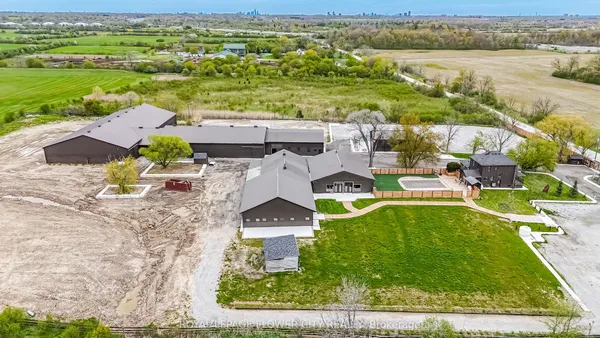
Rural Oakville is the part of the town that still looks like Trafalgar Township: farm fields, hedgerows, estate lots, gravel shoulders and the deep valley of Sixteen Mile Creek, spread across the concession blocks north of the 407 and in the gaps between the new subdivisions south of it. The label covers any Oakville property outside the named neighbourhoods, so a listing here might be a working farm on Burnhamthorpe Road, a custom house on two acres along Sixth Line or Eighth Line, a century farmhouse near an old crossroads, or a land parcel held for the day the urban boundary moves. Most of it is unserviced, meaning private wells and septic systems rather than municipal water and sewer, and much of it sits under agricultural or natural heritage designations that limit what can be built. Residents are farmers, long-established families, and buyers who wanted acreage and privacy within twenty minutes of a GO station. It is the quietest address in the town and also the one carrying the most planning uncertainty.

Rural Oakville homes by the numbers

Live from the MLS® feed · updated September 20, 2026

8 For sale now
4 New in 30 days
$599,000 Median asking price Middle half $473K to $1.6M
$699 Asking price per sq ft
34 days Median days listed
0% Listings with a price cut

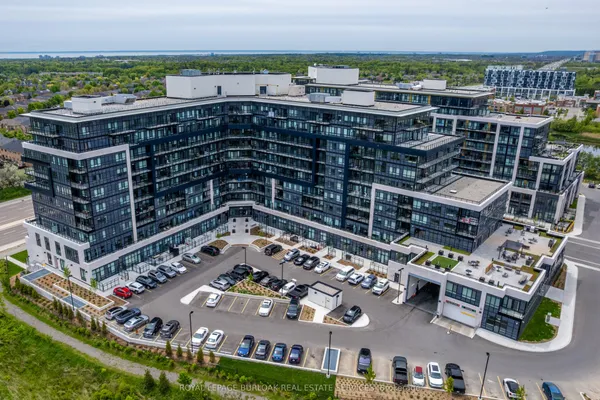
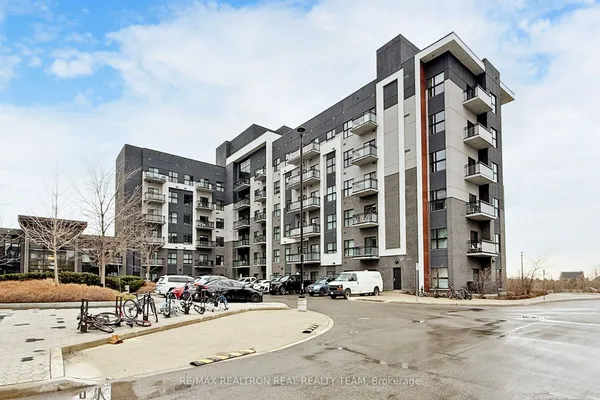
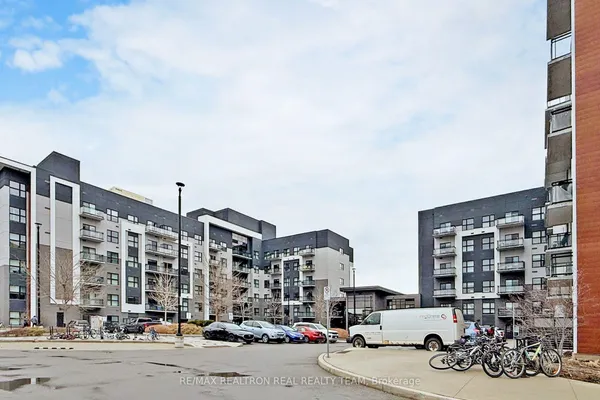
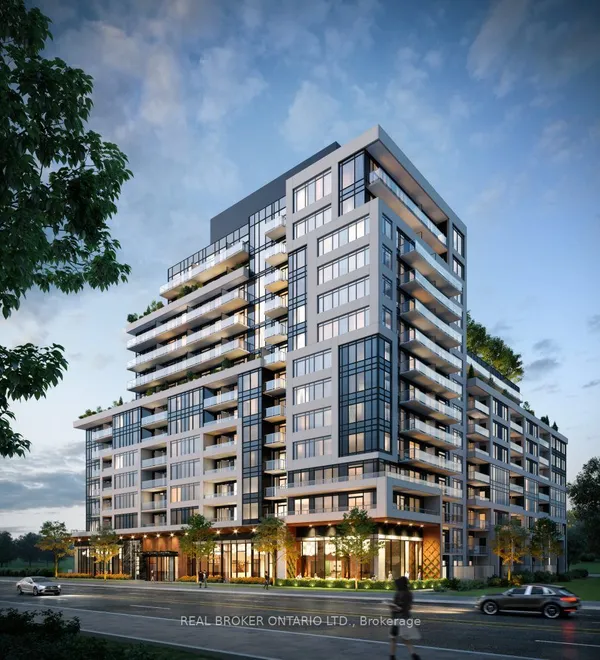
What is for sale: 4 detached homes · 3 condos · 1 townhouses

Newest Rural Oakville homes for sale

See all 8 listings
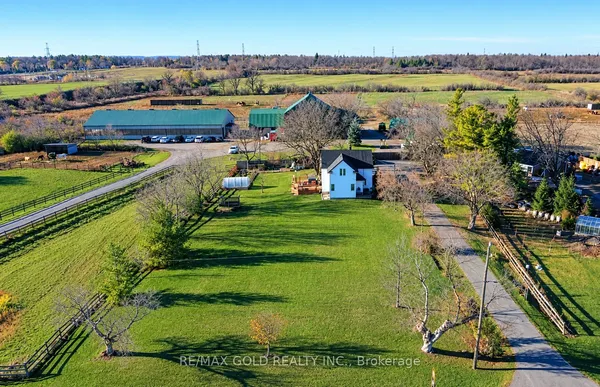
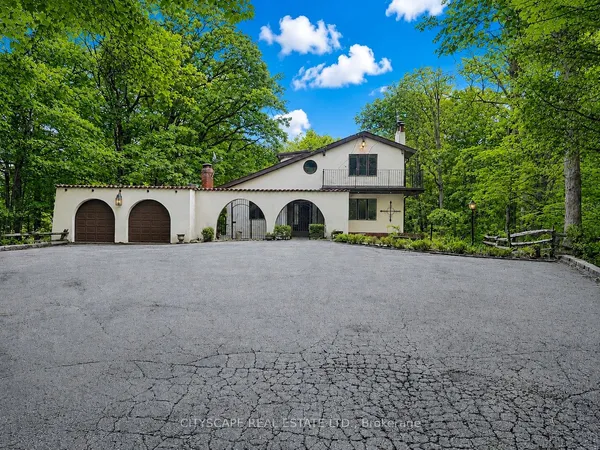
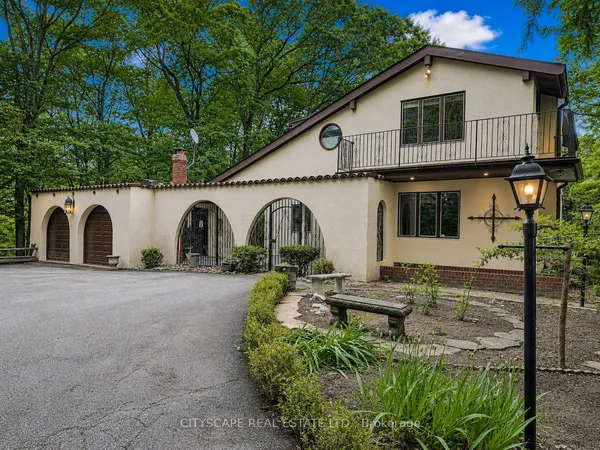
2381 Burnhamthorpe Road W
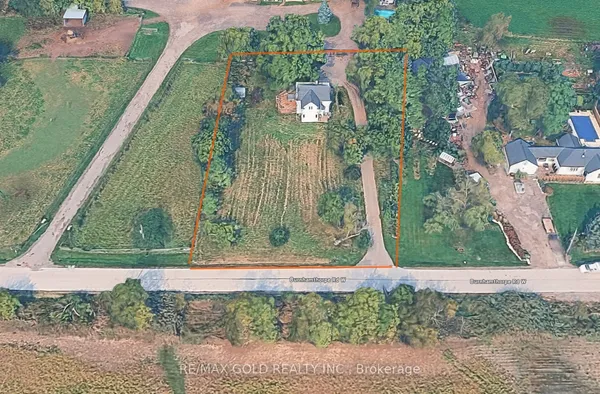
2381 Burnhamthorpe Road W — photo 2
For Sale
$1,661,000
3 bd · 2 ba
2381 Burnhamthorpe Road W, Oakville
7 days on market
MLS® W13781802 · RE/MAX GOLD REALTY INC.
Contact agent

New Rural Oakville homes for sale land here first. Save this search and we email you the moment one is listed.

Where Rural Oakville sits

Rural Oakville is the countryside that remains inside the town limits, chiefly the concession lands north of the 407 stretching from Tremaine Road on the Burlington side to Ninth Line and Winston Churchill on the Mississauga side, reaching up to the Milton line, reportedly Lower Base Line. It also takes in unbuilt parcels south of the 407 that the North Oakville secondary plans have not yet reached. The Sixteen Mile Creek valley splits it down the centre, and Trafalgar Road, Neyagawa Boulevard and Bronte Road are its north-south spines.

The homes you will find

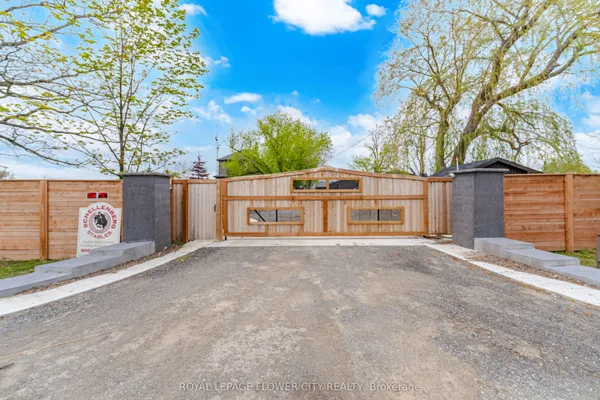
Houses in Rural Oakville fall into three groups. Working and hobby farms carry an original farmhouse, often nineteenth century in brick or frame, with barns, outbuildings and anywhere from ten to a hundred acres, some in crop, some in pasture and some rented to a neighbouring farmer. Estate lots, mostly created by severances between the 1960s and the 1990s along Sixth Line, Eighth Line, Burnhamthorpe Road and the side roads, hold custom houses of every style on one to five acres, from ranch bungalows to large 2000s builds with barns for horses. The third group is land and houses bought for their future: parcels near the 407 and the edges of Glenorchy and Joshua Meadows that owners hold expecting eventual development, sometimes leased for farming meanwhile. Almost everything relies on a well and a septic bed; heating by propane or oil is common where gas mains have not reached, and the driveway is long. Buyers should budget for the systems a city house takes for granted.

Getting around

Everything here is by car, and the roads are the point. Trafalgar Road runs north from the 407 interchange through the rural blocks toward Hornby and Milton, Neyagawa Boulevard and Bronte Road carry traffic toward Milton and Regional Road 25, and Burnhamthorpe Road and Lower Base Line cross east-west between them. The 407 interchanges at Trafalgar, Neyagawa and Bronte Road put Mississauga, the 403 and the QEW within a few minutes, which is the reason many estate buyers chose this area. GO trains run from Oakville and Bronte stations on Lakeshore West, each a twenty- to thirty-minute drive, and from Milton GO on the Milton line, which is closer for the northern properties but offers rush-hour service only as of the current timetable. There is no regular Oakville Transit service on most concession roads. Cyclists use the quiet lines and side roads on weekends, sharing them with farm equipment and fast traffic, and winter plowing reaches the regional roads first.

Schools

Rural addresses are assigned to schools in the built-up areas, and busing is the norm for every board. HDSB elementary and secondary assignments for the northern concessions have pointed toward the north Oakville schools opened for Glenorchy and Joshua Meadows and toward the older Trafalgar Road schools, while HCDSB directs Catholic students to its north Oakville elementary schools and to Holy Trinity, its secondary school on Sixth Line, subject to change as new schools open. Both boards publish transportation eligibility by distance, and rural students generally qualify. French immersion sites are farther, and French-language families use Viamonde or MonAvenir schools with longer bus rides. Some rural families choose private schools in Oakville or Milton instead. Buyers should confirm which school a given address is assigned, because the north Oakville boundaries have been redrawn several times as the new neighbourhoods filled and will be again.

Parks, shopping and daily life

Sixteen Mile Creek's valley is the great asset, with the Glenorchy Conservation Area, managed by Conservation Halton, opening trails through the forest and meadow north of Dundas, and the valley's slopes and floodplain regulated against building. Golf courses and driving ranges occupy several concession parcels, and the Bronte Creek headwater lands toward Tremaine Road are wooded. There are no shops in Rural Oakville itself; groceries and services mean a drive south to the Uptown Core, the Dundas Street plazas at Neyagawa or Bronte Road, or north to Milton's Derry Road and Main Street stores. Farm stands and a few farm gates sell produce in season. Oakville's hospital, off Dundas near Third Line, is fifteen to twenty minutes from most properties, and Milton District Hospital serves the northern edge. Fire and police response times are longer than in town, and internet service is by fixed wireless or newer fibre on some roads rather than cable, which buyers who work from home should check by address.

Who it suits

Rural Oakville suits buyers who want acreage, horses, a workshop, a long driveway or a farm, who accept wells, septic systems and driving for everything, and who like being twenty minutes from town without living in it. It suits developers and long-horizon land holders who understand the planning process. It is wrong for anyone needing transit, walkable shops or the certainty that the view will stay, since the urban boundary question hangs over much of the area, and it punishes a purchaser with no experience of wells or septic systems who has no wish to learn.

Questions people ask about Rural Oakville

Will Rural Oakville be developed?

Some of it, eventually, and the timing is politically contested. The North Oakville secondary plans cover the lands between Dundas and the 407, which are largely being built now. Above the 407 the designation is agricultural and natural heritage in the Town's plan, and Halton Region's long-range growth reviews have taken different positions on it over the past few years. Check the current Official Plan and any active applications for a specific parcel.

How do I check a well and septic system before buying?

Get the well tested for flow and potability, review the well record, and get the septic inspected with its permit and age confirmed, because replacing a bed is expensive and Conservation Halton or the Region may regulate where a new one can go. Ask whether the house is on propane, oil or natural gas and how the water is treated.

Is farmland in Oakville taxed differently?

Working farms admitted to Ontario's farm property tax class program pay a reduced rate on the farmed portion, provided a valid farm business registration and active farming; the residence plus one acre stays at the residential rate. A hobby property without a qualifying farm business pays the full residential rate. Confirm the property's current class before relying on it.

Can I sever an estate lot from a rural parcel?

Rarely today. Halton's and the Town's policies generally prohibit new residential severances on agricultural land, with narrow exceptions for surplus farm dwellings under specific conditions, and the natural heritage system adds further limits. Parcels near the 407 may fall under the secondary plans instead. Talk to Town planning staff before assuming a lot can be split.

How far is the nearest GO station?

Oakville GO and Bronte GO on Lakeshore West are twenty to thirty minutes by car from most rural properties via Trafalgar Road or Bronte Road, and each has parking and trains through the day. Milton GO is closer for properties near Lower Base Line but runs weekday rush-hour trains only as of now, with buses at other times.

Sources: en.wikipedia.org · en.wikipedia.org · en.wikipedia.org · en.wikipedia.org · en.wikipedia.org · oakville.ca